Starting a Retinoid: A Guide for Patients
 Retinoids are one of the most effective ingredients we use in dermatology for improving skin texture, pigmentation, acne and fine lines. However, they are also one of the most common causes of irritation when they are started too quickly.
The key to using a retinoid successfully is to start slowly, use a small amount, and build up gradually over time. Most people can tolerate a retinoid very well if they use the right product and introduce it gradually.
Why Retinoids Can Cause Irritation at the Beginning
Retinoids work by increasing skin cell turnover, which means they speed up the rate at which the skin renews itself. While this is what makes them effective, it can also lead to dryness, redness or flaking when you first start using them.
This usually does not mean the product is not suitable for you. More often, it means the retinoid is being used too often or too much too soon.
Starting slowly allows the skin to adjust to the retinoid and helps to reduce irritation.
How Often Should You Use a Retinoid?
When starting a retinoid, we usually recommend building up gradually:
Weeks 1–2
Use 2 nights per week
Weeks 3–4
Use every second night
Week 5 onwards
Increase to nightly use if your skin is tolerating it
If your skin becomes dry or irritated, reduce the frequency and increase again more slowly.
How Much Retinoid Should You Use?
We recommend using a pea-sized amount for the entire face.
Using more does not make the retinoid work faster — it only increases the risk of irritation.
Apply the retinoid to clean, dry skin in the evening, then apply moisturiser afterwards.
How to Reduce Irritation When Starting a Retinoid
If you have sensitive skin, it can help to use a moisturiser when you start using a retinoid to support the skin barrier.
For example:
-
Cleanser
-
Moisturiser
-
Retinoid
-
Moisturiser
As your skin becomes more tolerant, you may be able to apply the retinoid directly to clean skin followed by moisturiser.
Do You Need to Wear SPF When Using a Retinoid?
Yes. We recommend wearing SPF every day when using a retinoid.
Retinoids can make the skin more sensitive to the sun, and sun exposure can worsen pigmentation and signs of skin ageing. Daily sun protection is an important part of using a retinoid safely and effectively.
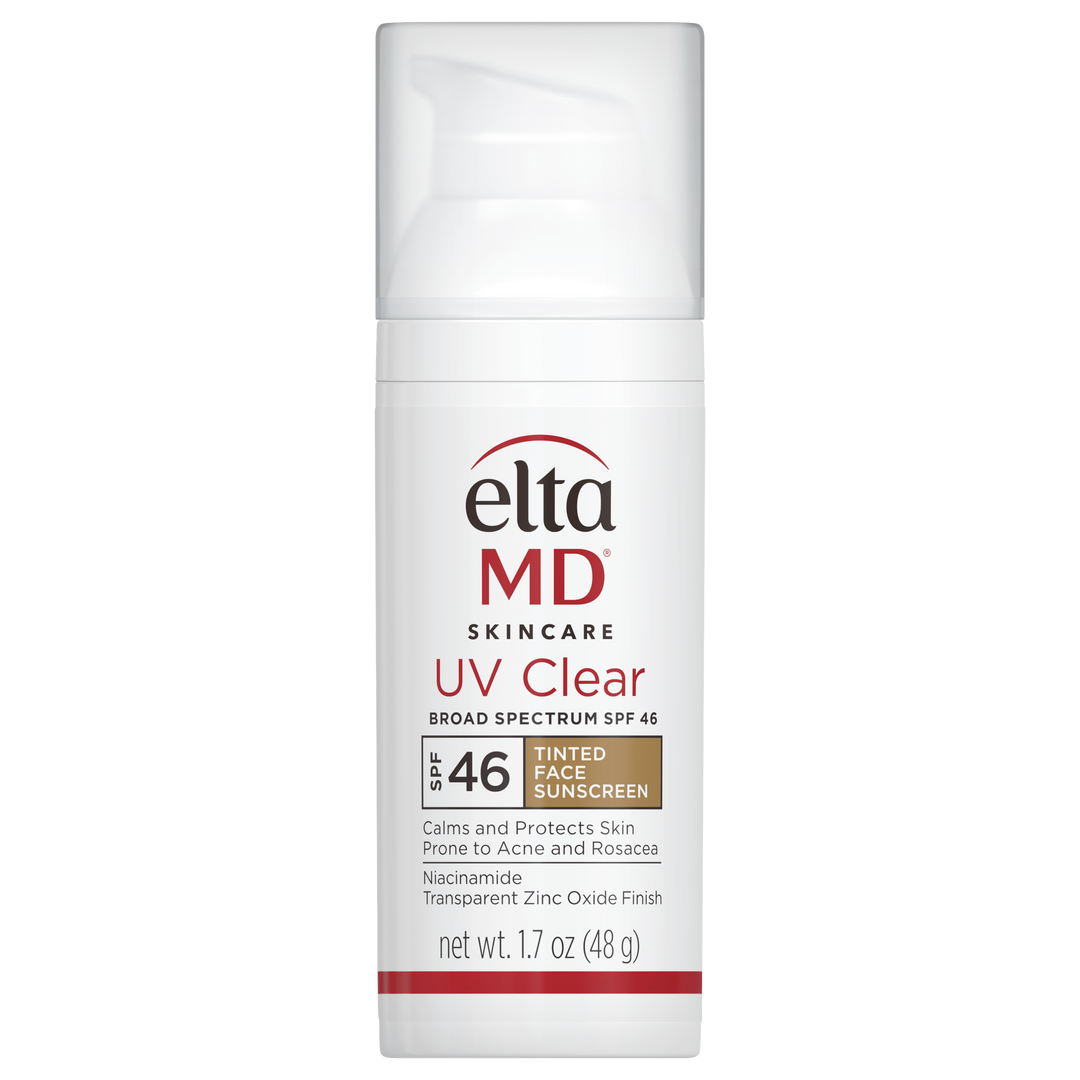
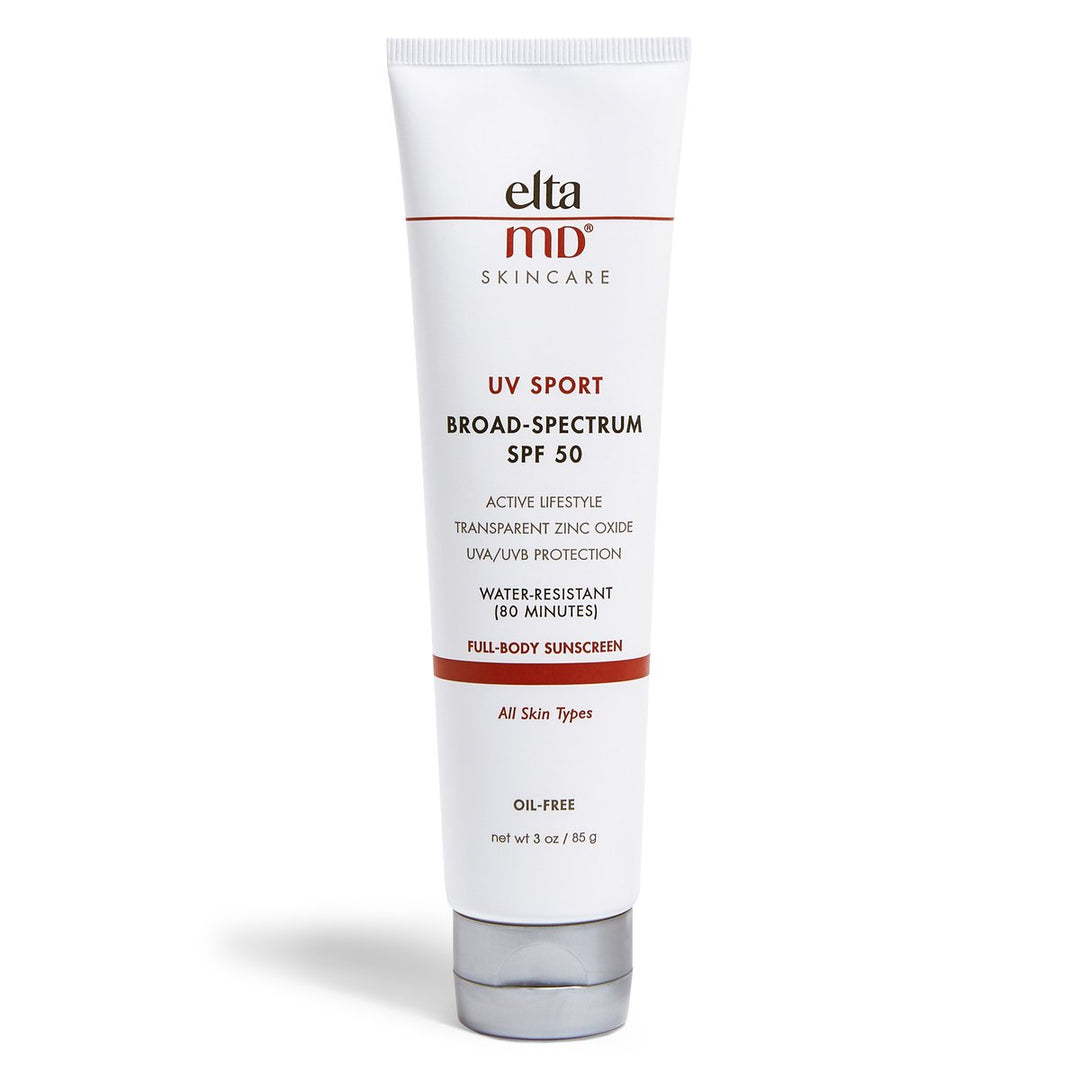
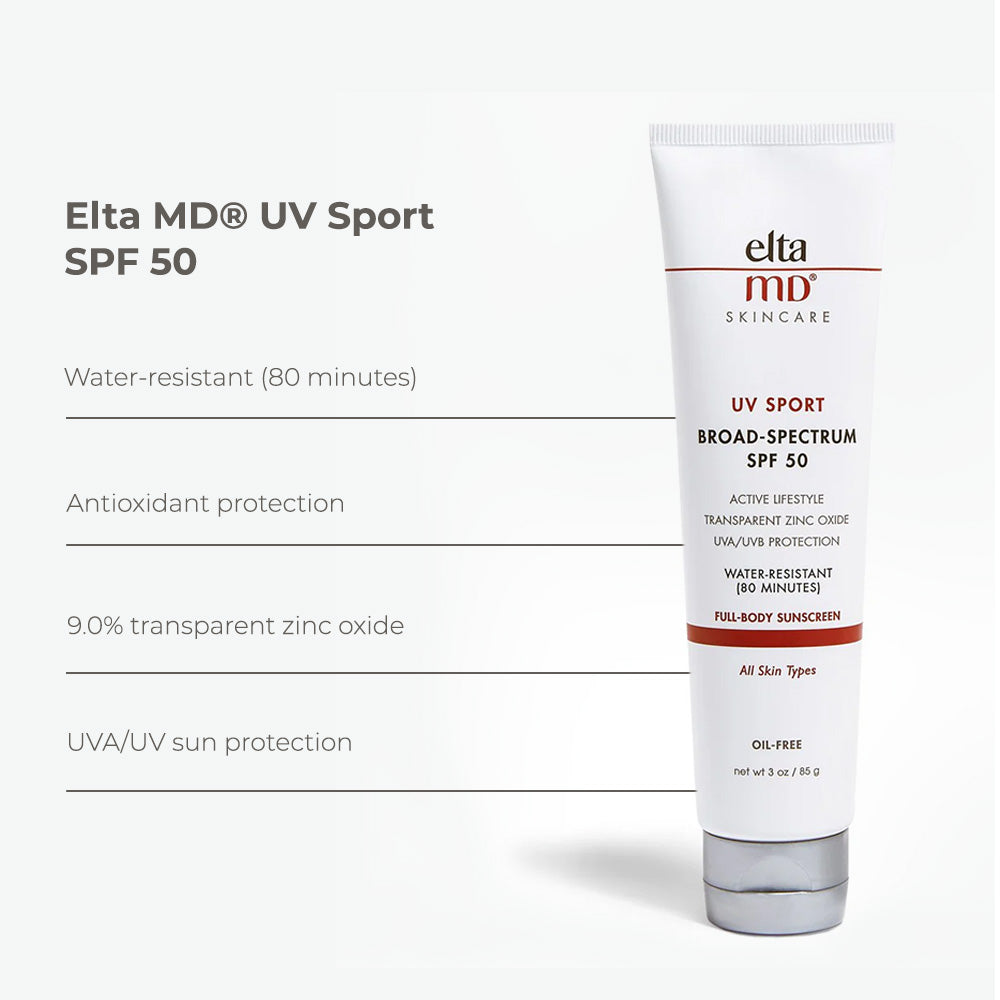
At the Institute of Dermatologists, we often recommend zinc-based sunscreens such as EltaMD, as they are generally well tolerated by sensitive and acne-prone skin.
Our Recommended Retinoids
Skinbetter Science AlphaRet Overnight Cream
A good option for those starting a retinoid or those with more sensitive skin.
Clinical Skin Retinol + AOX Renewal Cream
Helps to improve skin texture and pigmentation while supporting the skin barrier.
Clinical Skin Retinol + Peptide Refining Serum
Supports collagen production and helps improve skin texture and firmness.
A Simple Routine When Using a Retinoid
A retinoid routine should include three key products: a gentle cleanser, a moisturiser and a daily SPF.
Evening:
-
Gentle cleanser
-
Retinoid
-
Moisturiser
Morning:
-
Gentle cleanser
-
Moisturiser
-
SPF
Keeping your routine simple will help your skin tolerate the retinoid more easily.
Not Sure Where to Start?
If you are unsure which retinoid is right for you, a skincare consultation allows us to assess your skin and recommend the most suitable retinoid and routine for your skin.