

Rosacea
Rosacea is a chronic inflammatory skin condition affecting the face. It causes persistent redness, visible blood vessels, and in some cases inflammatory spots. It is common, manageable, and very treatable. With the right combination of tailored skincare, targeted laser treatments, and appropriate clinical intervention when needed, symptoms can be effectively controlled and skin health significantly improved.
What is Rosacea?
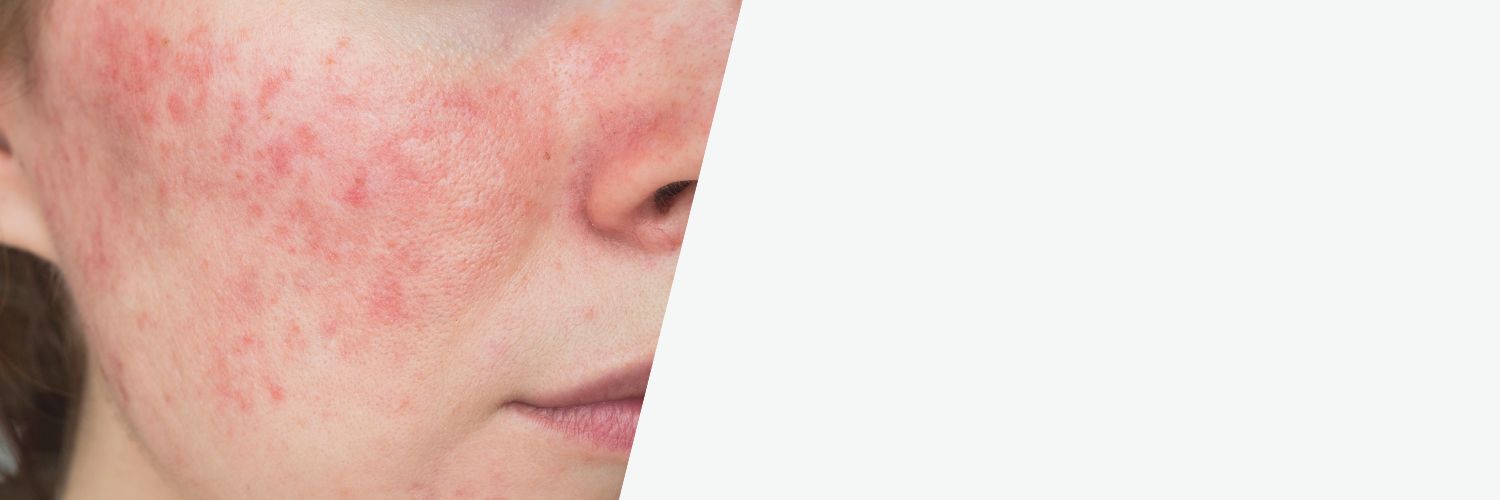
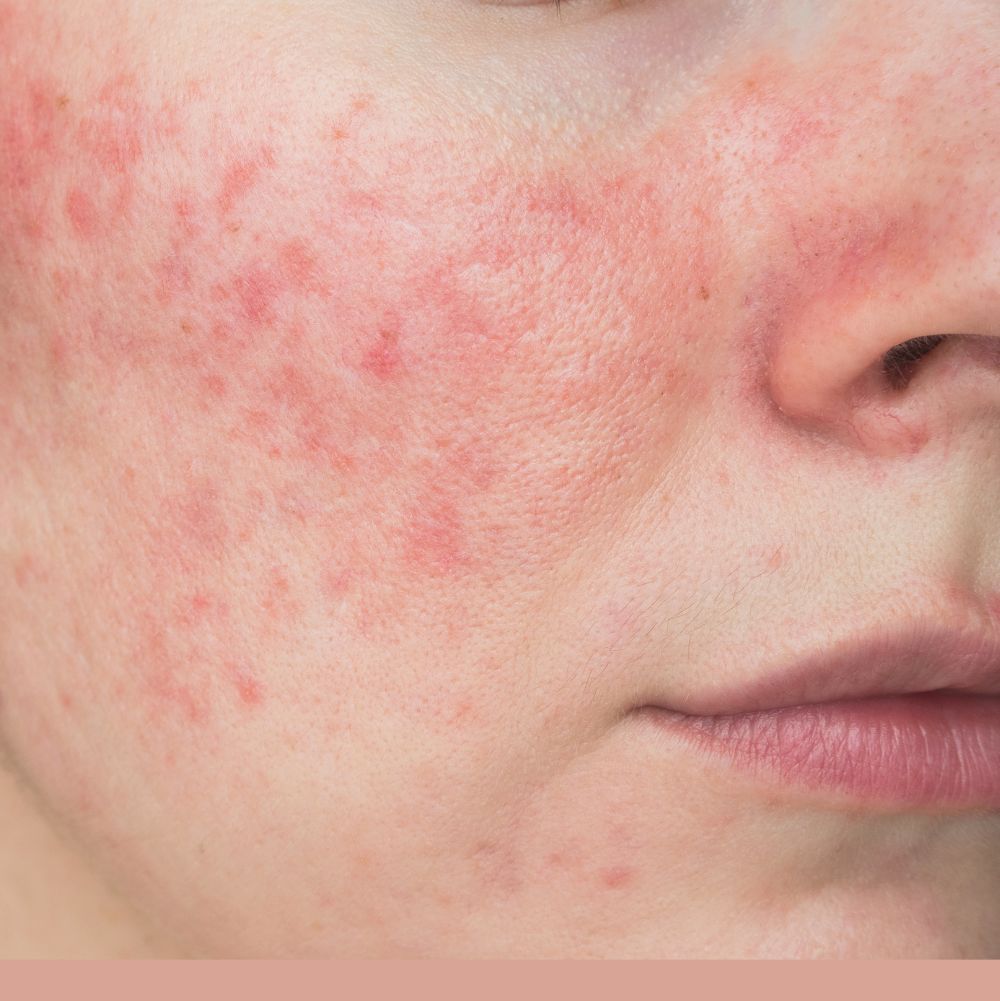
Rosacea is a common, chronic inflammatory skin condition that primarily affects the face. It causes persistent flushing or redness, most often across the cheeks, nose, forehead and chin. Visible blood vessels, inflammatory spots, and skin sensitivity are also characteristic features.
Rosacea is driven by a combination of genetic predisposition, an overactive inflammatory response, and environmental triggers.
Rosacea runs a relapsing and remitting course - symptoms can flare and settle over time. With appropriateskincare and clinical treatment, most patients can achieve long periods of calm, clear skin.
It is commonly mistaken for acne. The key difference: rosacea does not feature blackheads (comedones) and does not cause scarring in the way acne does. It also tends to respond poorly to acne treatments, which can worsen irritation.
Symptoms of Rosacea
Rosacea presents differently from person to person, but common symptoms include:
- Persistent facial flushing or blushing, especially across the central face
- Visible blood vessels (telangiectasia) on the cheeks and nose
- Red papules or yellow pustules resembling spots — but without blackheads
- Burning, stinging or tight skin sensations
- Dry, flaking or sensitive skin with intolerance to certain skincare products
- Ocular rosacea - dry, irritated or watery eyes
- In advanced cases (more common in men), thickening of the skin on the nose, known as rhinophyma
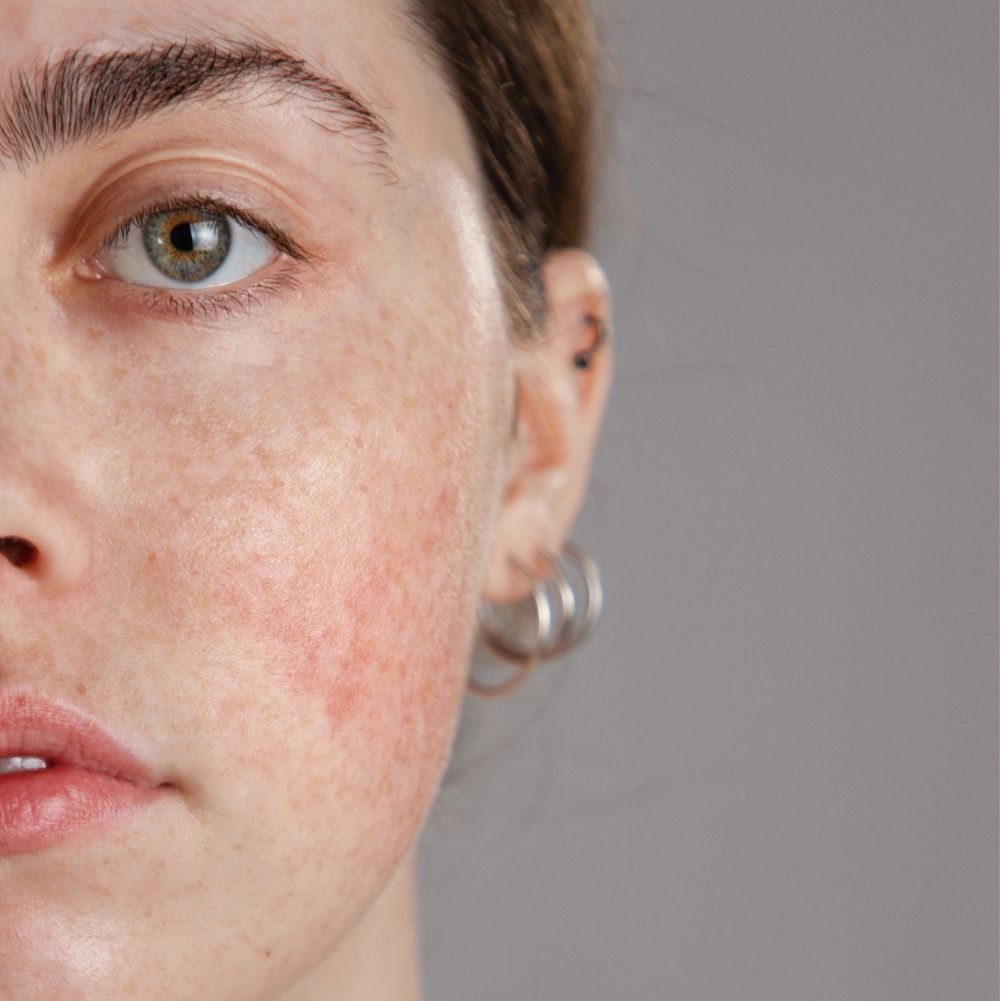
In those with darker skin tones, redness may be less visible but rosacea is still present and should not be overlooked.
Common Rosacea Triggers
Rosacea symptoms are often worsened by specific triggers. Identifying and avoiding your personal triggers is an important part of long-term management. Common triggers include:
- UV exposure — the most significant and consistent trigger
- Hot drinks, spicy foods and alcohol, particularly red wine
- Temperature extremes — heat, cold and wind
- Stress and strong emotions
- Vigorous exercise
- Certain skincare products, especially those containing alcohol, fragrances, acids or strong retinoids
- Some medications, including blood vessel-dilating drugs
Who Is Affected by Rosacea?
Rosacea is more common than many people realise. It affects people of all backgrounds, but is particularly prevalent in:
- Women, though men tend to develop more severe symptoms
- Those with fair skin that burns easily in the sun (Fitzpatrick skin types I and II)
- People over the age of 30
- Those with a family history of rosacea
- Those who smoke
In Ireland, rosacea is extremely common. The combination of fair skin types and year-round UV exposure - even on overcast days - means the condition is widely seen in our clinic population.
Skincare for Rosacea: What Our Dermatologists Recommend
The foundation of any rosacea management plan is gentle, barrier-supportive skincare - and daily sun protection. UV exposure is the most consistent rosacea trigger, which means sunscreen is not optional; it is the single most important daily step for anyone with this condition.
At the Institute of Dermatologists, we recommend mineral (physical) sunscreens for rosacea-prone skin. Zinc oxide provides broad-spectrum protection and has anti-inflammatory properties that can help calm redness over time. Chemical sunscreens can irritate sensitive skin and may trigger flare-ups in some patients.
How to Manage Rosacea: Skincare
A gentle, consistent skincare routine is foundational to managing rosacea. The goal is to support the skin barrier, reduce inflammation, and avoid products that provoke flare-ups.
Cleansing
- Use a gentle, cream-based cleanser that does not strip the skin. Gel or foaming cleansers tend to be too harsh. A hydrating cleanser that contains ceramides helps to support and repair the skin barrier. Double cleansing is appropriate for rosacea as long as the right cleanser is used.
Moisturising
- Barrier repair is central to rosacea management. Look for moisturisers that contain ceramides, hyaluronic acid, and niacinamide. Niacinamide has anti-inflammatory properties and can help calm redness and reduce the appearance of post-rosacea discolouration.
Sun Protection
- Daily sunscreen is the single most important step in any rosacea skincare routine. UV exposure is a major trigger for rosacea flare-ups and accelerates the visible signs of skin ageing. A zinc-based mineral sunscreen is generally better tolerated by rosacea-prone skin than chemical sunscreens, which can cause stinging or irritation in more sensitive patients.
- Browse our EltaMD sunscreen collection, including zinc-based formulas suited to rosacea-prone and sensitive skin.
Retinoids
- Retinoids can be incorporated into a rosacea skincare routine, but they must be chosen carefully and introduced slowly. A well-formulated retinoid that contains anti-inflammatory and skin barrier supporting ingredients is preferable to a high-strength prescription formula in sensitive rosacea skin. Starting once or twice a week and gradually building up allows the skin to adapt without triggering a flare.
Our Recommended Products for Rosacea Skincare
Morning
- Gentle cream cleanser - avoid gel or foaming formulas, which can strip and irritate. Look for ceramide-rich options such as the EltaMD Oil-in-Gel Cleanser.
- Mineral SPF - apply daily, every day, rain or shine. Our number 1 recommendation for rosacea is EltaMD UV Clear Tinted or Untinted, which contains niacinamide to calm redness and hyaluronic acid to support hydration. For those with very sensitive skin who require a physical-only formula, EltaMD AOX UV Elements is an excellent alternative.
Evening
- Double cleanse - remove sunscreen and makeup thoroughly. The EltaMD Oil-in-Gel Cleanser works well as a first cleanse, followed by a gentle cream cleanser.
- Barrier moisturiser - apply after cleansing to support and restore the skin barrier. The EltaMD Barrier Renewal Complex is clinically proven to restore the skin barrier within 24 hours, formulated with ceramides, squalane, and biotin.
- Gentle retinoid (if tolerated) - retinoids can be beneficial for rosacea when chosen carefully and introduced slowly. Clinical Skin Retinol AOX, Clinical Skin Retinol and Peptides and Skinbetter Science AlphaRet Overnight Cream are formulated with anti-inflammatory ingredients, niacinamide and hyaluronic acid, making themf the best-tolerated options for rosacea-prone skin. Always introduce slowly.
- Night moisturiser - the EltaMD PM Restore Moisturiser or EltaMD Barrier Renewal Complex are excellent overnight options, combining ceramides, peptides and niacinamide to strengthen skin and reduce inflammation while you sleep.
Optional Step (AM or PM)
- Balancing toner - the EltaMD Skin Recovery Toner is alcohol-free and calming. It helps to balance and hydrate skin after cleansing, prepares skin to better absorb subsequent products, and soothes irritation without stripping the barrier.
Avoid products containing alcohol, menthol, eucalyptus oil, glycolic acid, salicylic acid, and fragrances. These are common irritants in rosacea-prone skin and can trigger flare-ups.
Clinical Treatments for Rosacea
Skincare is the essential foundation - but for many patients, skincare alone is not enough to address established redness, visible vessels, and persistent flushing. Clinical treatments can make a very significant difference.
At the Institute of Dermatologists, our treatment plans for rosacea are consultant-led and tailored to each patient's skin type, severity, and goals.
IPL (Intense Pulsed Light) Therapy for Rosasea
IPL is our most widely used and most effective treatment for rosacea-related redness and visible blood vessels. It uses controlled pulses of light to target the underlying vascular irregularities that cause persistent facial redness and flushing.
IPL is non-invasive, requires no downtime for most patients, and delivers consistent, noticeable improvement across a course of treatments. A typical course involves four to six sessions, spaced four to six weeks apart. Long-term sun protection is essential to maintain results.
For patients with rosacea who are planning a special occasion or want to reduce redness before summer, IPL can be performed year-round provided daily SPF is worn consistently.
Other Recommended Treatments
For more persistent or severe cases - particularly those with thicker, more stubborn visible vessels - Excel V+ offers a more targeted approach. It combines two laser wavelengths to treat both superficial and deeper vascular lesions. It is particularly effective for broken capillaries and pronounced flushing that has not fully responded to IPL alone.
Emfusion uses electrical energy to drive anti-inflammatory and calming active ingredients deeper into the skin. This can help soothe irritation, reduce redness, and support skin barrier recovery in rosacea-prone skin. It is often used as a complementary treatment alongside other interventions.
Rosacea Recommended Skincare
View all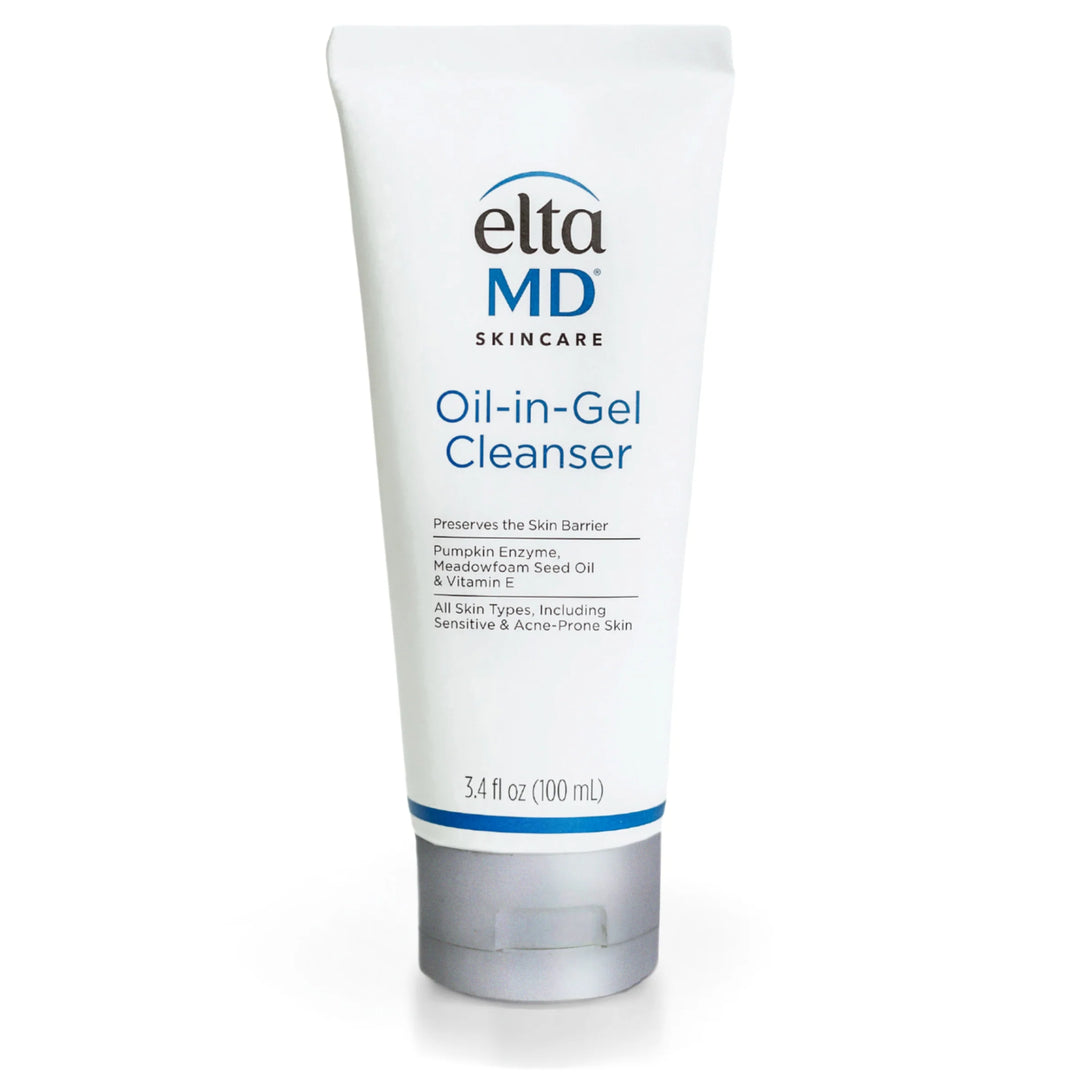


Frequently Asked Questions
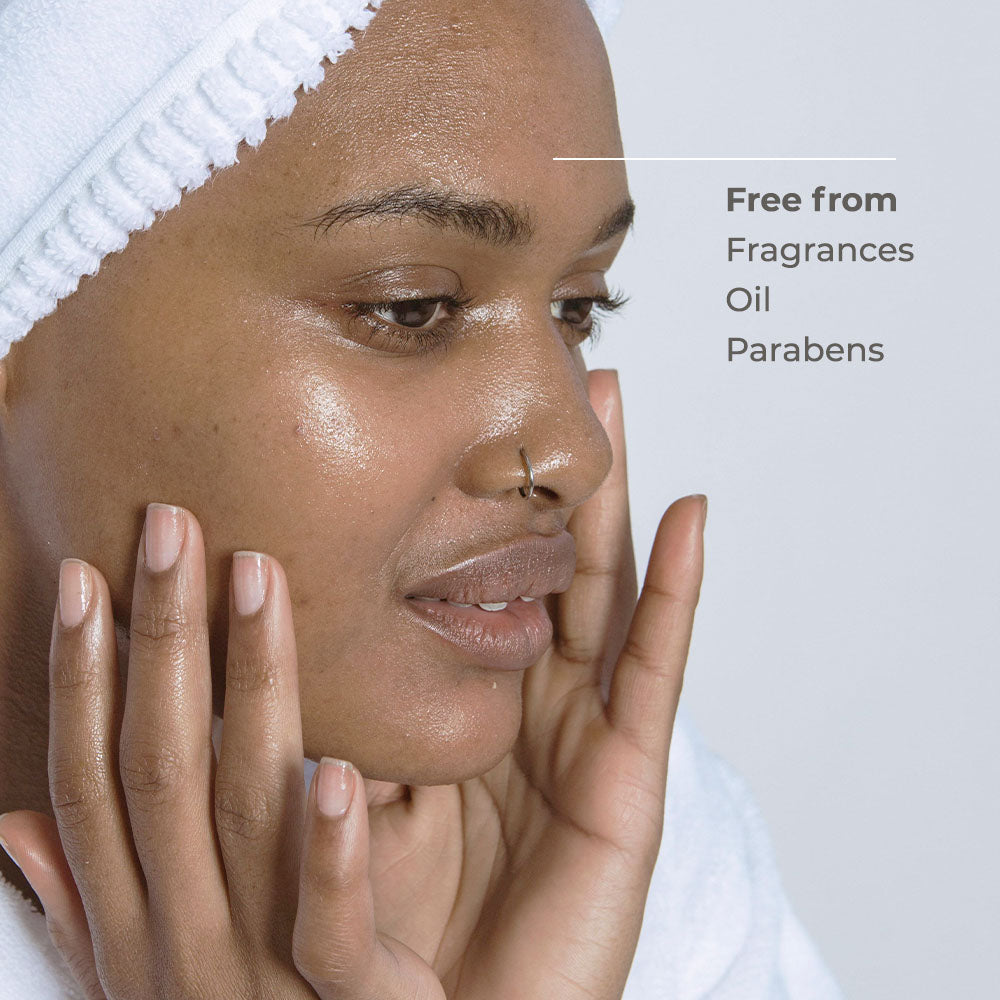
Yes. Harsh cleansers, alcohol-based toners, fragranced products and potent topical retinoids can exacerbate rosacea. It's essential to choose fragrance-free, non-comedogenic, and barrier-supportive formulations.
Absolutely. UV exposure is a known rosacea trigger. Mineral sunscreens such as the EltaMD UV AOX Elements protect against UVA, UVB, and blue light, helping to prevent flare-ups.
While there is no permanent cure, rosacea can be well managed with appropriate treatments, skincare, and lifestyle modifications.
Avoid alcohol, menthol, eucalyptus oil, exfoliating acids, and high concentrations of retinoids. These can irritate the skin and trigger flare-ups.
No. Although rosacea can include what appears to be acne-like bumps, these are in fact inflammatory lesions of rosacea, whereas in acne the primary lesion is the comedone (blackhead). Rosacea is a different condition and should be treated with gentler, anti-inflammatory options and focus on strengthening the skin barrier.
LATEST NEWS
View all

